 EN
EN  ES
ES  FR
FR  PT
PT  ES_EC
ES_EC  FR_FR
FR_FR  NL
NL 




Long before 1775, when the first musket shot was fired in Lexington, the seeds of the American Revolution had taken root in Philadelphia. Today, as the city and country prepare to celebrate the 250th anniversary of the signing of the Declaration of Independence in 2026, Philadelphia’s Historic District — home to Independence Hall and Carpenters’ Hall, plus the iconic Liberty Bell Center — stands as a reminder of America’s fight for freedom. It was on these streets where the Founding Fathers mutually pledged their honor and outlined their rights to “Life, Liberty, and the pursuit of Happiness.”
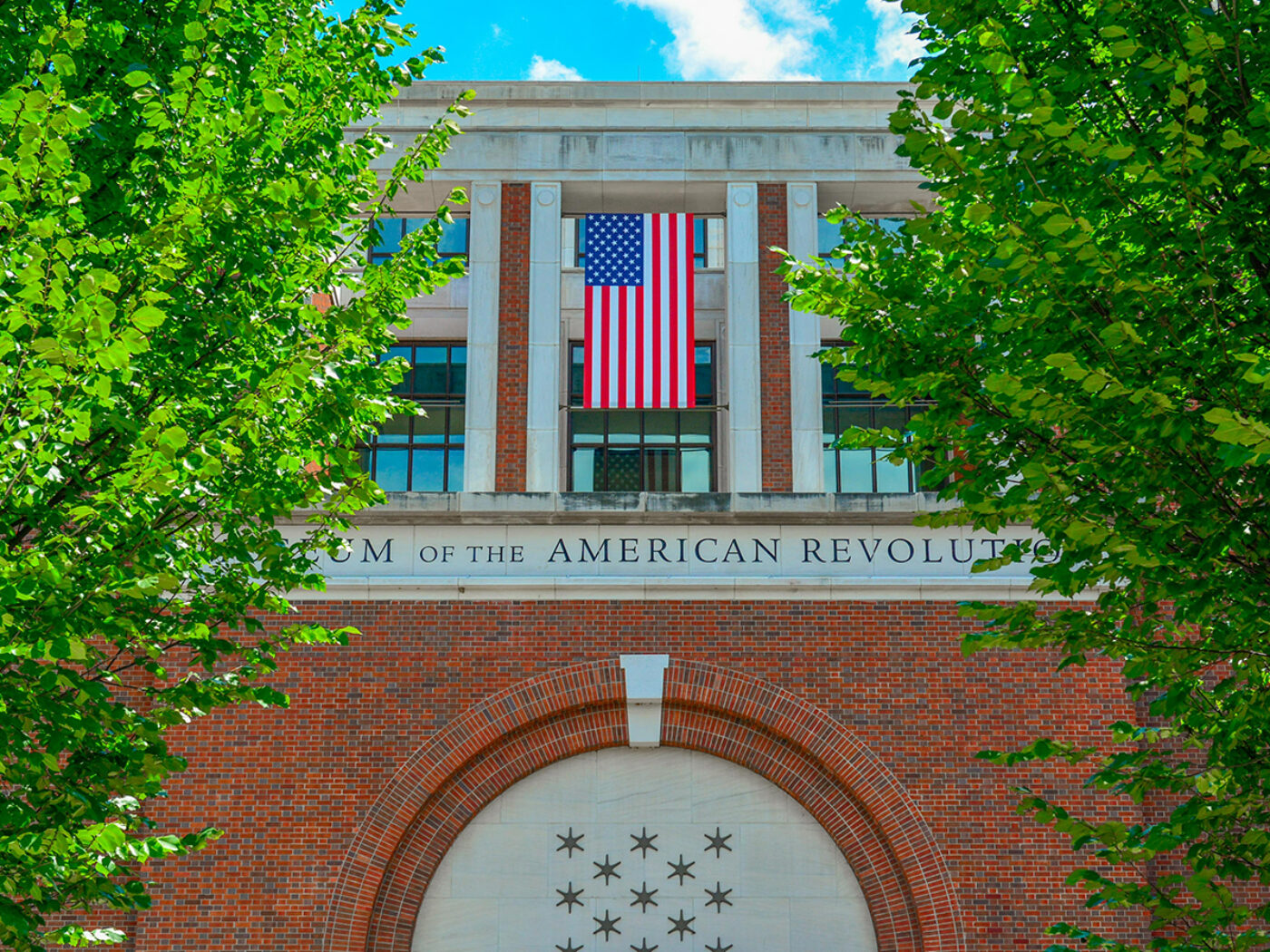
In the heart of Old City, the Museum of the American Revolution uses rare artifacts and interactive exhibits to recreate the details of the country’s birth. Visitors who want to go beyond the Historic District can discover more Revolutionary War history in Philadelphia’s four-county countryside — Bucks, Montgomery, Chester, and Delaware — where significant battlefields and historic homes and parks, including Valley Forge National Historical Park, Brandywine Battlefield Park and Washington Crossing Historic Park, tell the story of America.
Here’s a complete list of essential Revolutionary War sites in the Greater Philadelphia region:
Fomenting Revolution:
- Carpenters’ Hall: Fed up with King George’s taxes and trade policies, representatives from
12 colonies (Georgia didn’t attend) gathered here in 1774 for the First Continental Congress and voted on a trade embargo, the first of many unified acts of defiance against the realm. This Georgian-style gem’s history is significant, but modern-day visitors often stop by to appreciate the building’s architecture, courtesy of the country’s oldest craft guild. 320 Chestnut Street, (215) 925-0167, carpentershall.org - Graff House: Amid the city rush, it’s hard to believe this site, also known as the Declaration House, was once the quiet country refuge where Thomas Jefferson drafted the Declaration of Independence. But this was the room where it happened. Building is currently closed. Check the park website for news about its reopening. 599 S. 7th Street, (215) 965-7676, nps.gov/inde
- Independence Hall: During the blistering summer of 1776, 56 delegates gathered at the Pennsylvania State House and pledged their “lives, their fortune and their sacred honor” in the pursuit of independence. Now known as Independence Hall, the UNESCO World Heritage Site is where the Declaration of Independence was signed, finalizing the colonies’ break with England. Timed tickets, required March through December, are free and available at the Independence Visitor Center, or in advance online for $1. 520 Chestnut Street, (215) 965-2305, nps.gov/inde
- A Man Full of Trouble Tavern: Historians have reported that Colonial Philadelphia had roughly one ale house for every 160 citizens. This is the last one standing. Founded in 1759, this charming three-story brick building was a gathering spot for the city’s working class as they debated the pros and cons of independence. It was refurbished and reopened in 2024, with a museum on the second floor. 127 Spruce Street, Succession Fermentory
- Liberty Bell Center: The State House Bell, known as the Liberty Bell today, was originally placed in the white steeple atop Independence Hall in 1753 where it went mostly unnoticed during the Revolutionary War. It gained national significance in 1835 when abolitionists rallied around the bell’s inscription: “Proclaim Liberty Throughout All the Land Unto All the Inhabitants thereof.” Today, the Liberty Bell Center displays the original bell (and its much-debated crack) along with exhibits detailing how it became a worldwide icon. Entry is free; open daily from 9 a.m. until 6 p.m. 526 Market Street, (215) 965-2305, nps.gov/inde
Building Arms:
- Hopewell Furnace National Historic Site: The Continental Army and Navy needed armaments, and this Chester County foundry supplied the troops with cannons, shots and shells, including 115 big guns for the Continental Navy. The circa 1771 intact iron-making village includes a furnace complex, ironmaster’s mansion, village store, blacksmith shop and the homes of some of the ironworkers. The summer season brings living history demonstrations and other historic activities. 2 Mark Bird Lane, Elverson, (610) 582-8773, nps.gov
- New Hall Military Museum: This reconstruction of the first Secretary of War Henry Knox’s headquarters features exhibits that trace the founding of the U.S. Marines, Army and Navy during the Revolutionary War. It was originally built by the Carpenters’ Company. Modern day visitors will find dozens of examples of colonial-era weaponry, scale models and other artifacts. 320 Chestnut Street, (215) 965-2305.
- Congregation Mikveh Israel: When the American troops were low on weapons, food, supplies and the money to purchase them, Haym Salomon, a member of this synagogue, stepped up and helped finance and underwrite the war. He was so generous with his personal resources that he died penniless. Salomon is buried at Congregation Mikveh Israel Cemetery. Synagogue, 44 N. 4th Street, (215) 922-5446; Cemetery, 8th & Spruce streets, mikvehisrael.org
- Thaddeus Kosciuszko House: The ragtag Continental army had this Polish war hero to thank for the brilliant military engineering that helped them pummel the Redcoats in several battles. Kosciuszko was a military giant — he also fortified West Point — but resided in a humble one-room apartment in a corner boarding house that opens for self-guided tours on weekends, April through October. 301 Pine Street, (215) 965-2305, nps.gov/thko
Battle Sites:
- Brandywine Battlefield: On September 11, 1777, 30,000 American and British soldiers faced off here in the largest land battle of the Revolution. Despite being led by a who’s who of the Continental Army — Washington, Wayne, Lafayette, Knox and others — the Americans suffered a major blow. The site is now a park, offering terrain to freely explore, and, for a fee, access to a small museum of artifacts and two historic houses, including one that served as Washington’s headquarters. 1491 Baltimore Pike, Chadds Ford, (610) 459-3342, brandywinebattlefield.org
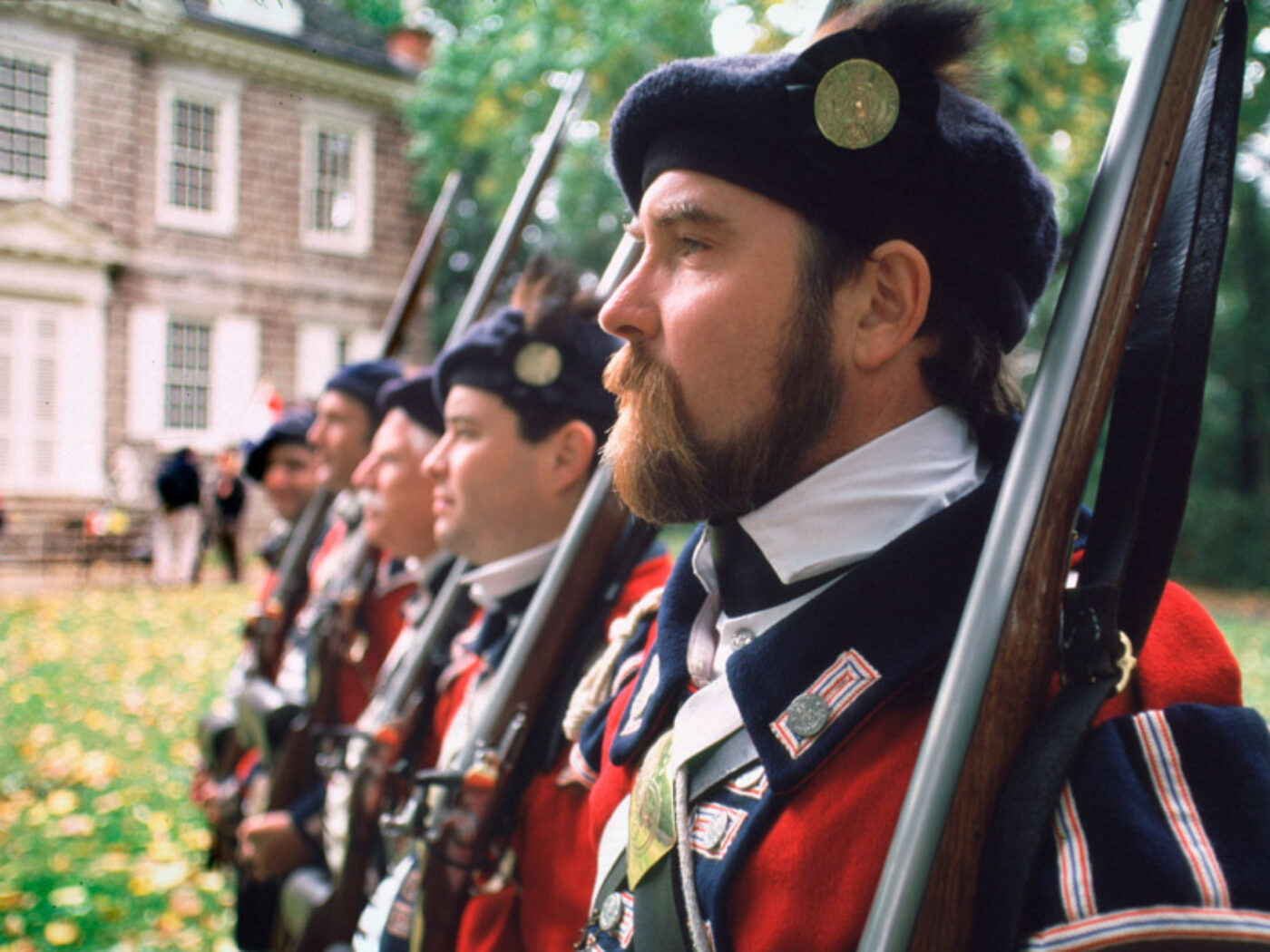
- Cliveden: On the morning of October 4, 1777, Washington and his army fought for hours trying to remove the British troops who had taken shelter in this historic Germantown estate. After several hours of intense fighting, the defeated patriot forces retreated to Montgomery County. Today, Cliveden commemorates the Battle of Germantown on the first Saturday of every October; the Revolutionary Germantown Festival features two reenactments and family-friendly activities. Any time of year, visitors can experience the museum and grounds through tours and exhibitions. 6401 Germantown Avenue, Germantown, (215) 848-1777, cliveden.org
- Fort Mifflin: For six long, cold weeks in 1777, a cadre of 400 soldiers huddled inside this stronghold to fend off British ships attempting to bring supplies to British-occupied Philadelphia. Despite lack of food, freezing temperatures and rampant illness, the rebels held the ships back, giving Washington time to flee to Valley Forge. Philadelphia’s only fort – one of the most haunted sites in the country – opens to the public Wednesdays through Sundays, March 1 through December 15, for tours of barracks, a blacksmith shop and cannon demonstrations (weekends only). 6400 Hog Island Road, (215) 685-4167, fortmifflin.us
- Historic Waynesborough: During the Continental Army’s winter encampment at Valley Forge, General “Mad” Anthony Wayne, one of Washington’s most celebrated generals, would sometimes return to his family home for a good night’s sleep. The Battle of Paoli took place steps away from the front door and yet the house survived unscathed. Guided, by-reservation tours lead visitors from the carriage house through the elegant residence and tell stories about objects, art and seven generations of Waynes who dwelled here until 1980. 2049 Waynesborough Road, Paoli, (610) 647-1779.
- Hope Lodge: Built between 1743 and 1748 by prosperous Quaker entrepreneur Samuel Morris, Hope Lodge stands tall in Montgomery County as an excellent example of early Georgian architecture. The main house was headquarters for General Washington’s Surgeon General John Cochran during the Whitemarsh Encampment, a six-week period of the American Revolution when the Continental Army occupied the surrounding fields after the Battle of Germantown. Tours are held most every Sunday, April through October. 553 S Bethlehem Pike, Fort Washington, (215) 646-1595, historichopelodge.org
- Paoli Battlefield: At midnight on September 20, 1777, 1,800 British troops used bayonets to raid General Anthony Wayne’s 2,200 troops camped in this field, in what became the war’s ninth bloodiest battle. The country’s second-oldest Revolutionary War monument commemorates lives lost during the “Paoli Massacre.” Today, the 60-acre site serves as a historical park and memorial grounds with self-guided tours along a three-quarter-mile trail. Lectures, walking tours and paranormal tours are also held at various times throughout the year. Monument & Wayne Avenues, Malvern, (484) 320-7173, pbpfinc.org
- Peter Wentz Farmstead: In early October 1777, General Washington and his staff chose this farm as a temporary headquarters while planning a strategy to engage the British forces in Germantown, a major defeat for the Continental Army. Washington’s contingent returned to the Wentz property for four days later that month before marching in for the winter at Valley Forge in December. Visitors to the restored site can take on-the-hour tours to view livestock, kitchens, German furnishings and 1777-inspired recreations of farmstead life. 2030 Shearer Lane, Lansdale, (610) 584-5104.
- Stenton: During its long, storied history, this Germantown mansion saw both sides of the war. In August 1777, as he made his way to the Battle of Brandywine, General Washington sought refuge in this elegant manse. Then, Britain’s General Howe occupied the estate for the month leading up to and through the Battle of Germantown. Tours are offered in the afternoon, Tuesday through Saturday from April through December. 4601 N. 18th Street, (215) 329-7312, stenton.org
- Tomb of the Unknown Soldier of the American Revolution: Situated inside Washington Square Park – one of the five public parks chartered by William Penn in 1682 – stands a monument dedicated to this disinterred body of an unknown Revolutionary War soldier thought to be shot through the skull by a musket ball. An eternal flame burns in front of a bronze statue of George Washington, with haunting words etched into the tomb: “Beneath this stone rests a soldier of Washington’s army who died to give you liberty.”
- Valley Forge National Historical Park: This 3,500-acre national park is the site of the 1777-1778 winter encampment of George Washington’s Continental Army, including the parade grounds where Baron von Steuben transformed a battered Continental Army into a world-class fighting force. Woodlands, streams, meadows, monuments and more than 26 miles of trails commemorate the sacrifice and transformation of the Continental Army during these pivotal six months during the Revolutionary War. Visitors explore the encampment through tours, exhibits, live demonstrations, children’s activities and more. 1400 Outer Center Line Drive, King of Prussia, (610) 783-1099, nps.gov/vafo
- Washington Crossing Historic Park: In 1776, General Washington gave the Hessian troops a morning-after-Christmas surprise — a sneak attack that ultimately turned the tide of the Revolutionary War. Echoes of that historic event are evidenced throughout this park, where centuries-old historic houses and buildings and a visitor center recount that daring trip. Each Christmas day, hearty souls don colonial attire and recreate that daring and dangerous river crossing. One-hour Crossing the Delaware tours are available seven days a week. 1112 River Road, Washington Crossing, (215) 493-4076, washingtoncrossingpark.org
Revolutionary Homes & Houses of Worship:
- Betsy Ross House: Not once, but twice, the Revolutionary War left the young upholsterer (and famed flag maker) Betsy Ross a widow. After losing her first husband to an ammunition explosion, she wed John Ashburn, who would later die after being captured by the British. Betsy herself is on site daily, plying her trade as she welcomes visitors with stories of colonial-era life. 239 Arch Street, (215) 686-1252, historicphiladelphia.org
- Christ Church: On any given Sunday during the Revolutionary War, one could find a who’s who of the era worshipping at this Historic District landmark. Still active, Christ Church served as the house of worship for seven signers of the Declaration of Independence. Self-guided and guided tours take place daily, except during services/ceremonies or on Mondays and Tuesdays in January and February. 20 N. American Street, (215) 922-1695, christchurchphila.org
- Christ Church Burial Ground: Dating to 1719, this plot is the final resting place for many who toiled for American independence. Among the 4,000 graves are those of Benjamin and Deborah Franklin, Dr. Benjamin Rush, Francis Hopkinson and Continental Army officers Major William Jackson and General Jacob Morgan. The burial ground is open for self-guided and guided tours daily for a small fee; visitors on the sidewalk often toss pennies onto the Franklins’ grave. 5th & Arch Streets, (215) 922-1695, christchurchphila.org
- Concord School House & Upper Burying Ground: Many who gave their lives in the pursuit of liberty went nameless when they were laid to rest at this Germantown site. Today, 52 of the soldiers have been identified, although six more who perished in the Battle of Germantown remain unknown. The grounds and 1775 school house are open for tours on the second Saturdays of May through October, on select holidays and by appointment. 6309 Germantown Avenue, (215) 844-1683, freedomsbackyard.com
- Grumblethorpe: The bloody business of war still haunts the home of the Wister family, occupied by British Brigadier General James Agnew before the Battle of Germantown. Shot in his back, Agnew bled to death and more than two centuries later, the bloodstains are still visible on the floor. Tours are available on Saturdays from Memorial Day through Labor Day, and by appointment. 5267 Germantown Avenue, (215) 843-4820, philalandmarks.org
- Old St. Mary’s Church: George and Martha Washington, John Adams and other notable colonials attended this house of worship, and history continues to permeate the gravesite here. Commodore John Barry, founder of the U.S. Navy, is buried in the adjacent cemetery, along with General Washington aide-de-camp Stephen Moylan and other heroes of the Revolution. 252 S. 4th Street, (215) 923-7930, oldstmary.com
- Powel House: The elegant 18th-century Society Hill townhouse of Samuel and Elizabeth Powel opened to Founding Fathers for post-planning soirees, the Washington’s 20th wedding anniversary, a meal John Adams referred to as a “Sinful Feast” and dancing in the Rococo ballroom. Today, the elegant Georgian home, with antique portraits, clocks, china from Martha Washington and a formal garden, opens for on-the-hour tours Thursdays through Sundays. 244 S. 3rd Street, (215) 627-0364, philalandmarks.org
- Thompson Neely House: In December 1776, wounded and ailing soldiers recovered at this Bucks County home, where hundreds of soldiers encamped in the weeks prior to the daring crossing of the Delaware River on Christmas night. James Monroe, who would later become the fifth president, was among the many who camped there. 1635 River Road, Washington Crossing, (215) 493-4076, washingtoncrossingpark.org
- Wyck House: During the Battle of Germantown, this Quaker estate was used as a field hospital, the 18th-century version of a MASH unit. Visits to Wyck—walk-ins are welcome Thursdays through Saturdays, early April through mid-November; other times by appointment—include tours of the house’s antique-filled first floor, the country’s oldest rose garden in original plan and a working quarter-acre farm. 6026 Germantown Avenue, (215) 848-1690, wyck.org
Where To Learn More:
- American Philosophical Society (APS): Founded by Benjamin Franklin for the purpose of “promoting useful knowledge,” the American Philosophical Society today is home to a research library with over 13 million pages of manuscripts and 250,000 books with strong holdings in Early America, the history of science, and Native American and Indigenous studies. Collections and research operations for the David Library of the American Revolution have relocated to the APS. It is here that American Revolution buffs can now find 10,000 reels of microfilm, nearly 8,000 books, 2,000 pamphlets and more — all devoted solely to the American Revolution. 105 South 5th Street, (215) 440-3400, amphilsoc.org
- Chester County History Center: This library and research facility holds a wealth of information about people and events that played a regional role in the Revolutionary War. These include resources on the three battles fought in Chester County, family genealogy collections and various museum objects. 225 N. High Street, West Chester, (610) 692-4800, chestercohistorical.org
- Historical Society of Pennsylvania (HSP): More than 3,000 books, pamphlets and serials, along with 210 archival collections dealing with the American Revolution are included in this vast array of primary source materials and research resources for inquiring minds. 1300 Locust Street, (215) 732-6200, hsp.org
- The Library Company of Philadelphia (LCP): Established by Benjamin Franklin in 1731, this was America’s first successful lending library when 50 founding shareholders signed on to pool their resources and share their private collections for public consumption. Today, the LCP serves as an appointment-only research library while hosting various exhibits, lectures, digital collections and free fireside chats. 1314 Locust Street, (215) 546-3181, librarycompany.org
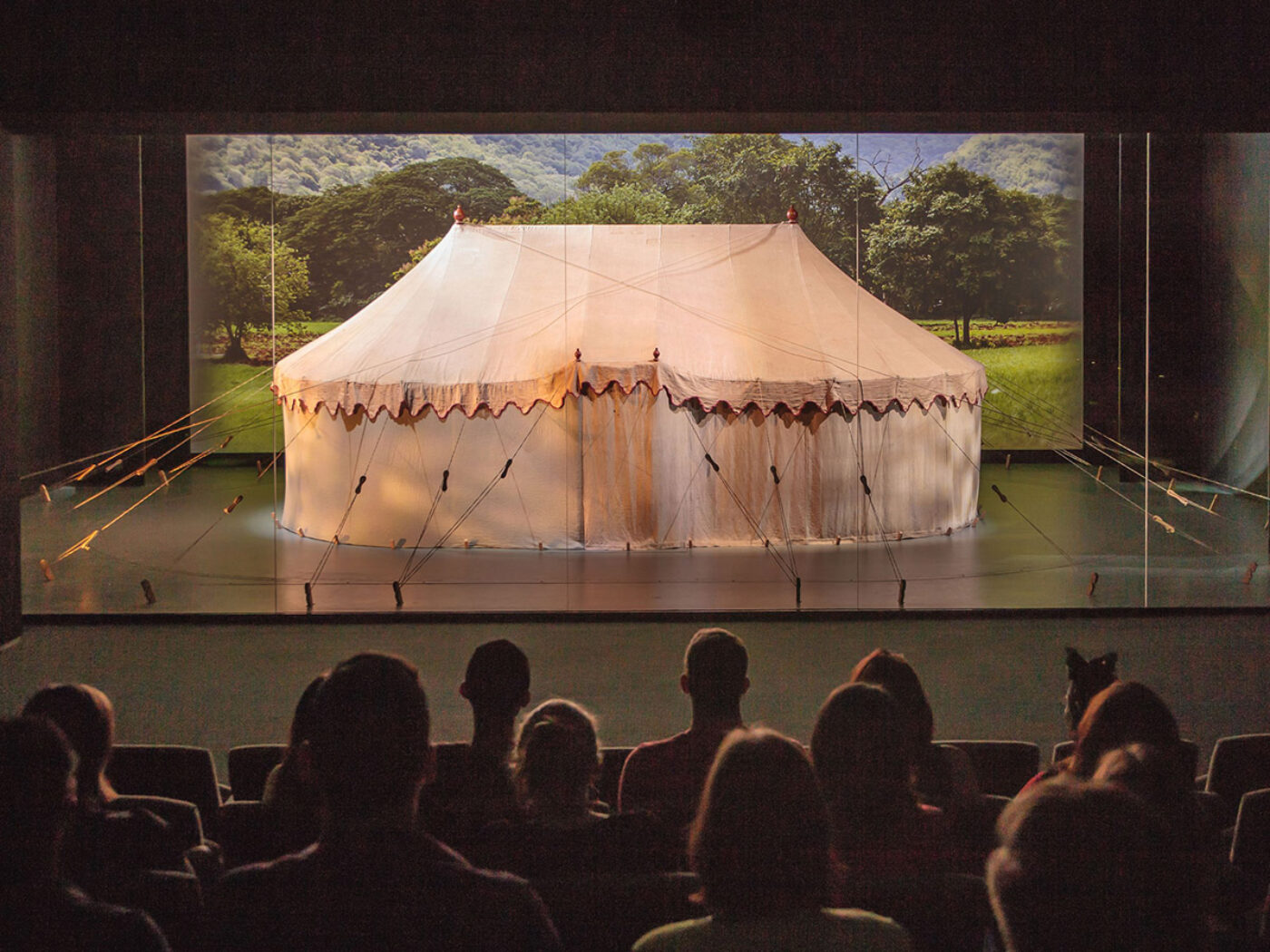
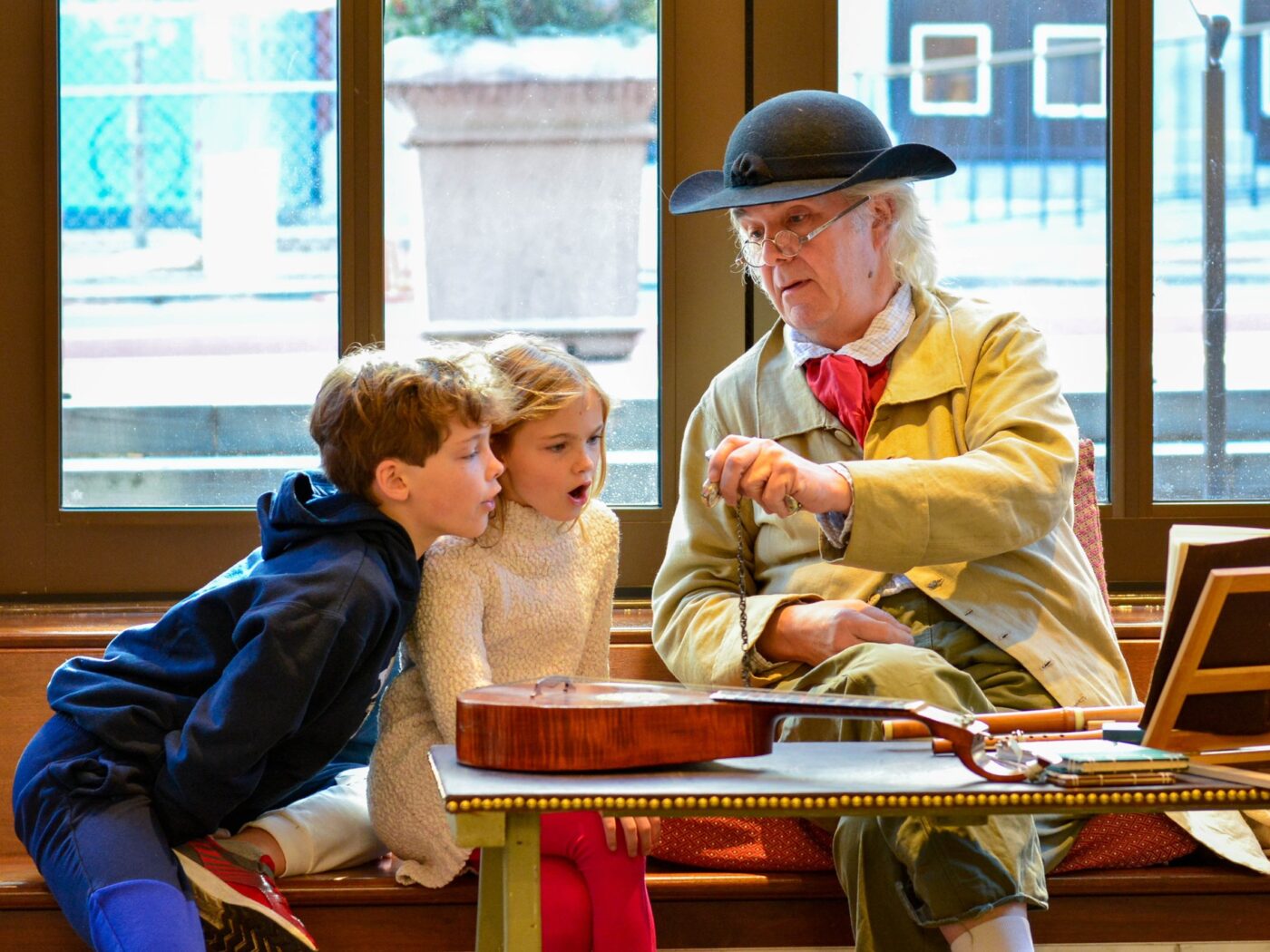
- Museum of the American Revolution: This all-encompassing museum (opened in 2017) brings to life the Revolutionary War through an unmatched collection of artifacts, including weapons, documents, works of art and the show-stopper: General Washington’s War Tent, his original sleeping and office tent. With powerful films, digital touchscreens and historical vignettes, the museum makes its home in the heart of Philadelphia’s Historic District. 101 S. 3rd Street, (215) 253-6731, amrevmuseum.org
- The Polish American Cultural Center: This is the spot to visit for a glimpse into the life and contributions of Thaddeus Kosciuszko, whose engineering genius helped win the Revolution. 308 Walnut Street, (215) 922-1700, polishamericancenter.org
About Visit Philadelphia:
VISIT PHILADELPHIA® is our name and our mission. As the region’s official tourism marketing agency, we build Greater Philadelphia’s image, drive visitation and boost the economy. On Greater Philadelphia’s official visitor website, visitphilly.com, visitors can explore things to do, upcoming events, themed itineraries and hotel packages.
Compelling photography and videos, interactive maps and detailed visitor information make the site an effective trip-planning tool. Visitors can also find loads of inspiration on Visit Philly’s social media channels.
Note to Editors: For high-resolution photos and high-definition B-roll of Greater Philadelphia, visit the Photos & Video section of visitphilly.com/media-center.